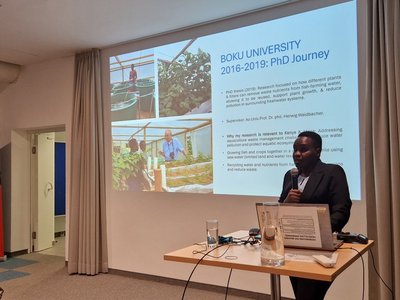
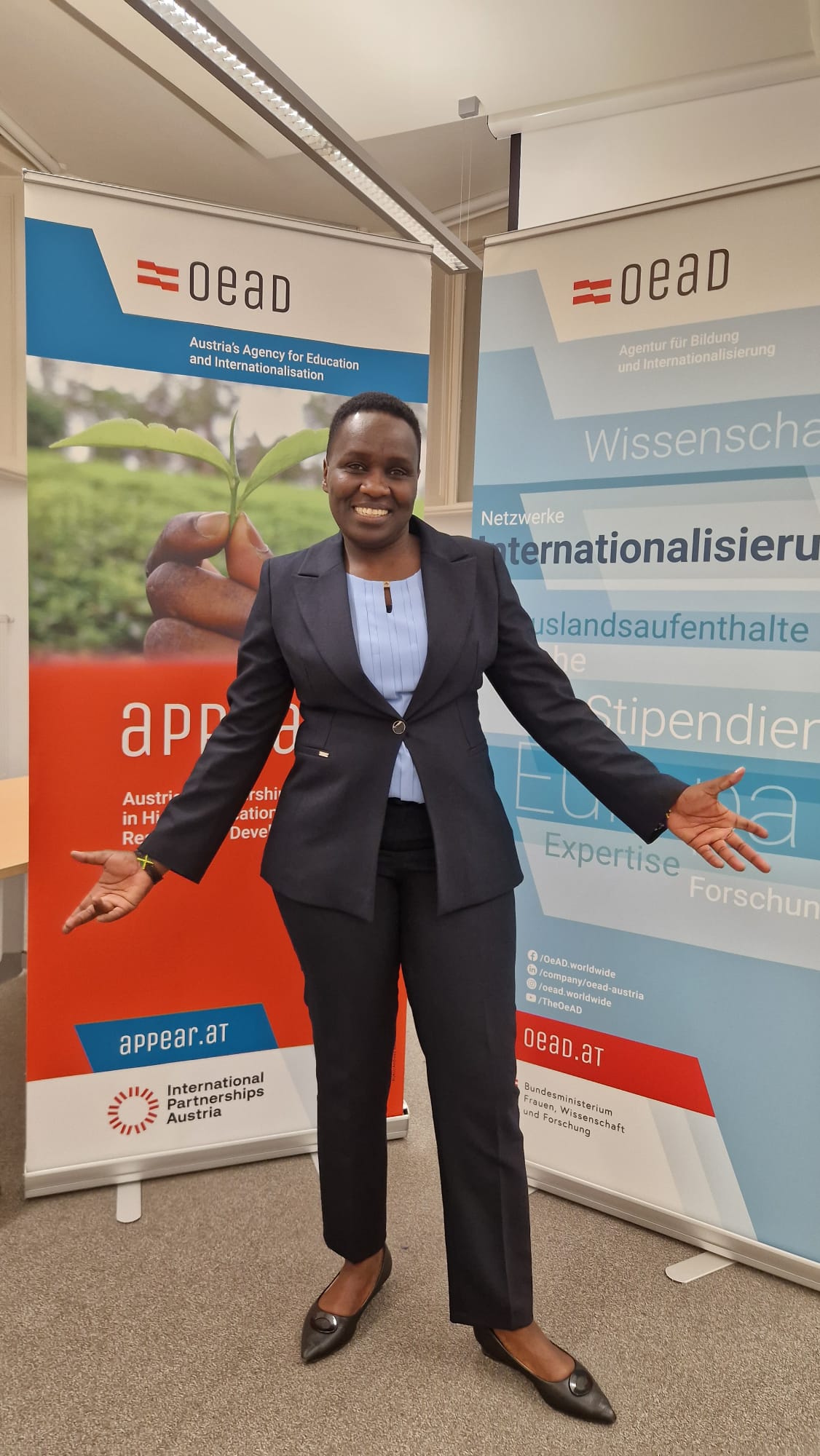
Dr Zipporah Gichana began her talk at the OeAD on 15 October 2026, by tracing her academic journey in Kenya, where she obtained a Bachelor's degree in Fisheries and Aquatic Sciences from Moi University in 2008, followed by a Master's degree in Aquatic Sciences from the University of Eldoret in 2013. An important turning point came in 2011 when she participated in the Limnology and Wetland Management (LWM) short course at Egerton University. Through this experience, she established a connection with Prof. Nzula Kitaka, who informed her about a fellowship opportunity offered by the Rotary Club of Vienna.
In 2014, she received a four-month fellowship at BOKU University in Austria, where she attended a short course in Applied Limnology. This opportunity opened the door to further academic studies in Austria. In 2016, she began her PhD at BOKU University, supported by the APPEAR programme and as part of the STRECAFISH project (financed by Austrian Development Cooperation), and successfully completed her doctoral studies in 2019.
Her doctoral research focused on the treatment and reuse of aquaculture wastewater. In particular, she investigated how plants and filtration systems can remove excess nutrients from fish-farming water, allowing the water to be reused for crop production while reducing pollution in freshwater ecosystems. Her research addressed important challenges in Kenya and other African countries, particularly the sustainable management of water resources and the integration of aquaculture and agriculture.
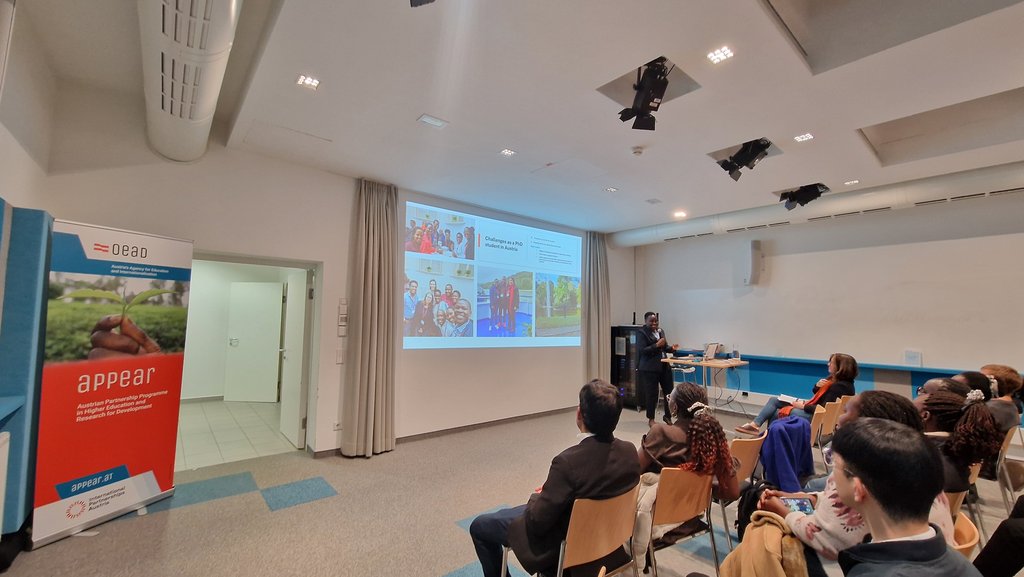
Reflecting on her time in Austria, Zipporah described studying at BOKU as one of the most rewarding and transformative experiences of her life. Beyond academic achievements, living in Vienna strengthened her independence, resilience and intercultural understanding. She also recalled the importance of personal well-being during her demanding doctoral studies, mentioning walks in Türkenschanzpark, exploring Vienna and participating in OeAD events as valuable opportunities to recharge and connect with other international students.
Since completing her PhD studies at BOKU University in 2019, Dr. Gichana has established an impressive academic career marked by leadership, interdisciplinary research, and international cooperation. She joined Kisii University as a lecturer in February 2020 and has since continued her academic engagement in fisheries, aquaculture and environmental sciences. She teaches within the International Joint MSc Programme in Limnology and Wetland Management and is actively involved in several regional and international research initiatives, including APPEAR, KoEF, and Africa-UniNet projects. Additionally, she serves as the Kisii University representative to the Austrian-African Research Network Africa-UniNet, strengthening institutional and international academic partnerships.
One example is the APPEAR-funded project N-STREP (Harnessing North-South Training and Research Approaches to Manage Emerging Pollutants), which connected researchers from Kenya, Ethiopia, Uganda and Austria. The project facilitated the exchange of practical experiences and explored approaches to managing emerging pollution challenges under different local conditions.
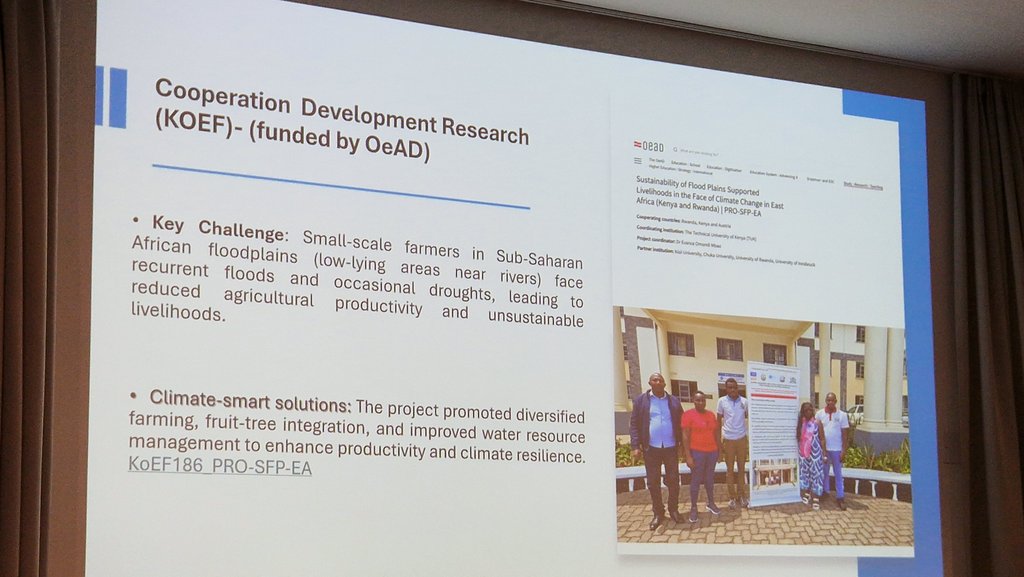
She also presented the KoEF-funded project PRO-SFP-EA, which addresses the challenges faced by small-scale farmers in floodplain areas of East Africa. Recurrent floods and occasional droughts threaten agricultural productivity and rural livelihoods. Through research activities in Kenya and Rwanda, the project explored climate-smart agricultural practices, diversified farming systems, fruit-tree integration and improved water resource management to strengthen the resilience of farming communities.
Looking ahead, Zipporah highlighted ongoing cooperation with Mälardalen University in Sweden, particularly in environmental sciences, student exchange and joint research development. The first student research exchange is expected to take place in 2027, focusing on chemical and environmental analysis, wastewater treatment and resource recovery.
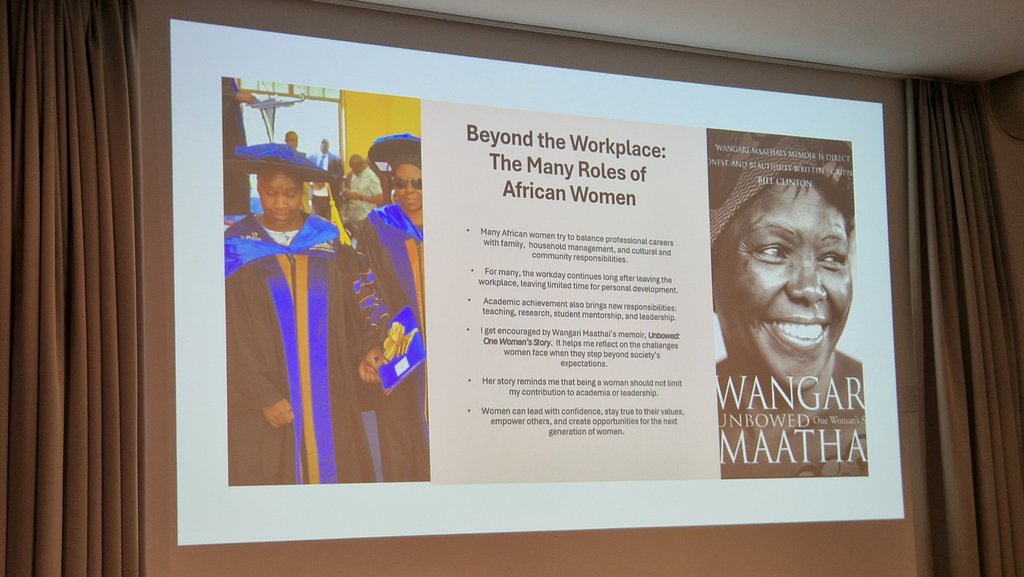
Beyond research and academic leadership, Zipporah also reflected on the challenges faced by African women in balancing professional careers, family responsibilities and academic commitments. Drawing inspiration from Wangari Maathai's memoir Unbowed: One Woman's Story, she emphasised the importance of women's participation in academia and leadership, as well as the need to create opportunities for the next generation of women researchers.
In her concluding remarks, she encouraged future international students to embrace opportunities for learning, remain curious and open to new perspectives, build meaningful academic connections and take care of their personal well-being. Her experience demonstrates that international academic exchange goes far beyond acquiring academic qualifications: it creates lasting networks, strengthens institutional cooperation and enables knowledge to be transferred and adapted to address challenges in different contexts.
Her journey from Kenya to Austria and back illustrates the long-term impact of APPEAR support in empowering individual researchers, strengthening universities and fostering sustainable international research partnerships.
Discussion
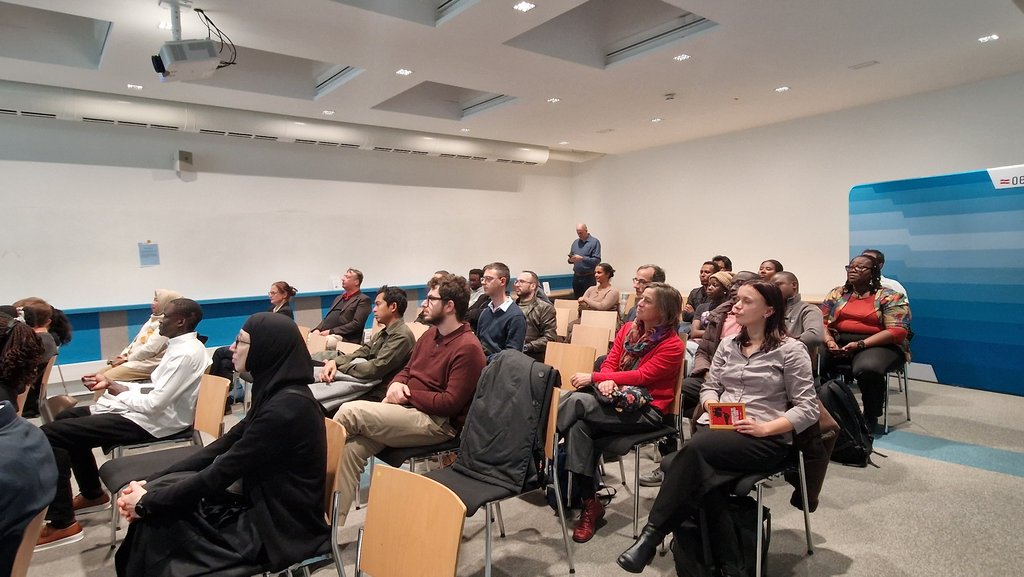
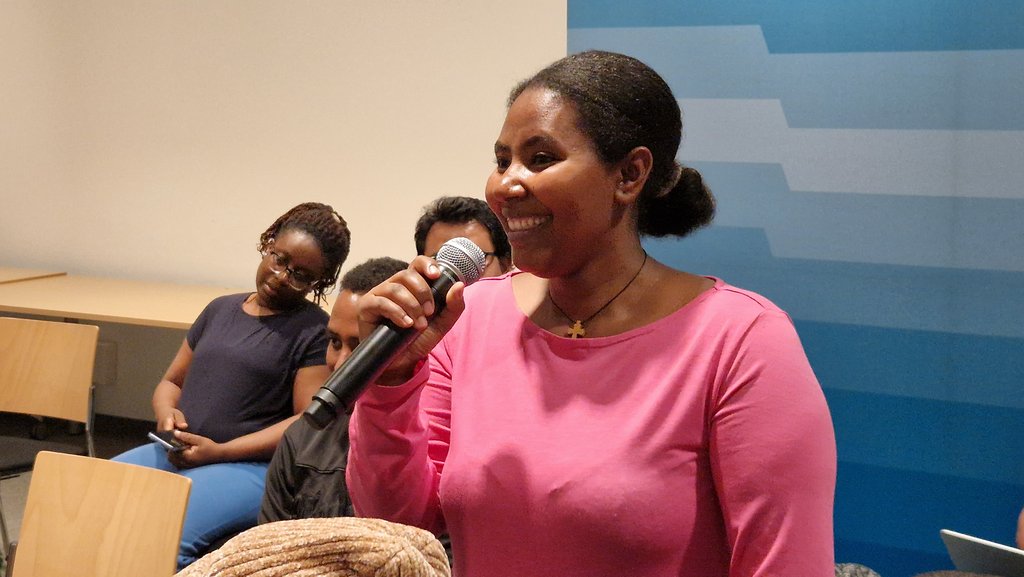
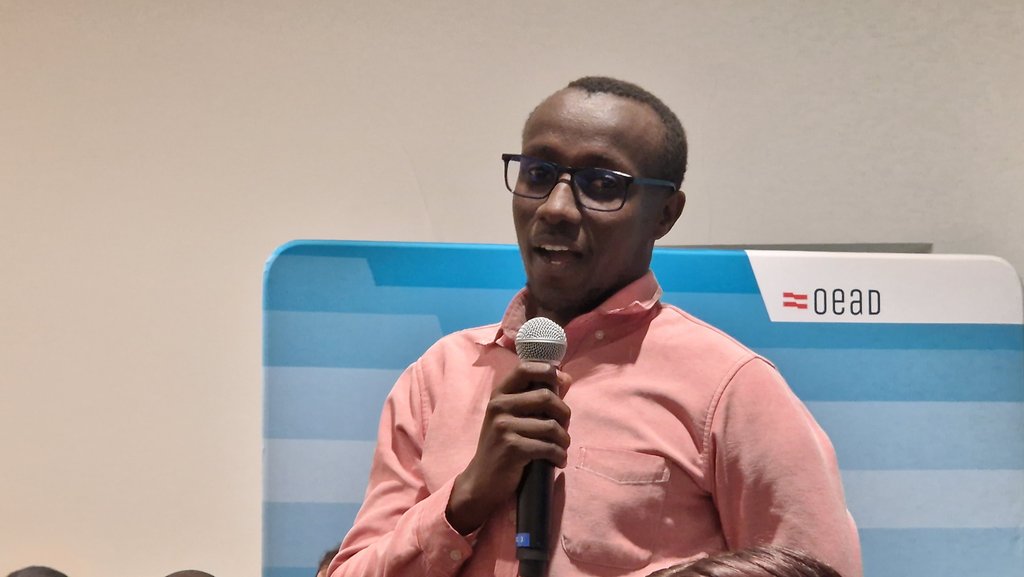
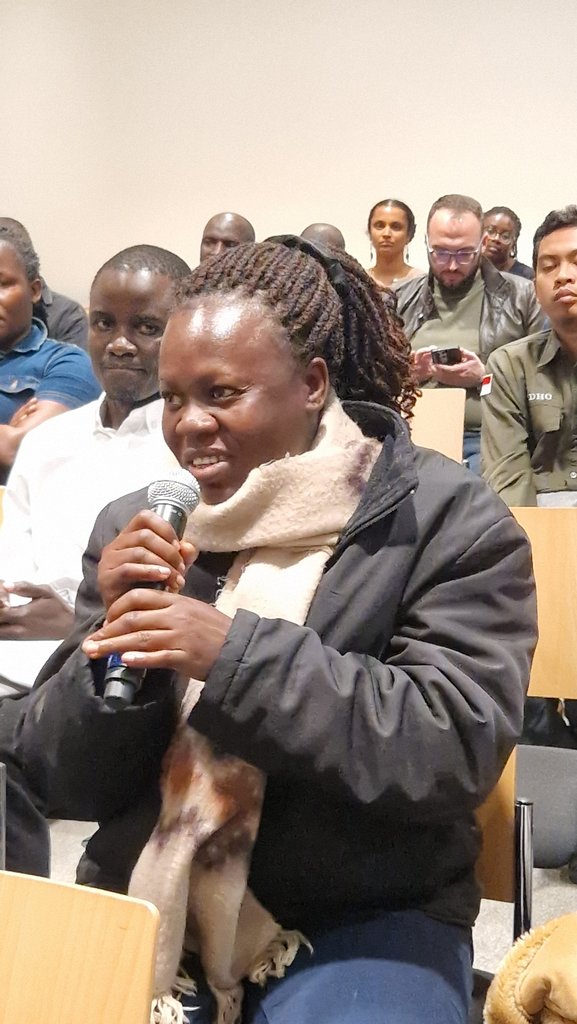
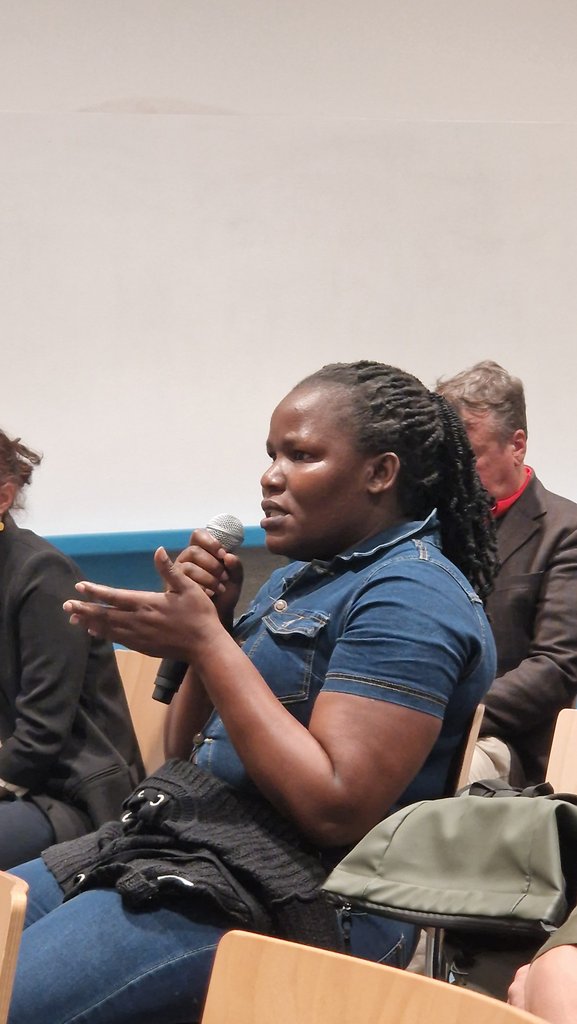
The Alumni Talk featured a thought-provoking and engaging discussion on international academic experiences, career development, gender equality, and climate change adaptation. The speaker emphasised the importance of maximising opportunities while studying in Austria by building professional networks, connecting with classmates and international students, and fostering relationships that can support future collaborations.
Women’s empowerment through scholarship opportunities emerged as another key theme. Participants reflected on the importance of prioritising women in scholarship programmes to address historical inequalities in access to higher education, particularly in countries where women have had fewer opportunities.
The conversation also explored women’s career progression, including Dr. Zipporah’s next steps and the importance of expanding opportunities in academia and research. Participants also reflected on workplace expectations, gender stereotypes, and the pressure some women experience to adopt traditionally masculine behaviours to succeed, emphasising the value of authentic leadership, mutual respect, and inclusive working environments.
The discussion also covered climate change adaptation, with an emphasis on research, practical adaptation strategies, community engagement, and raising awareness of climate change impacts on livelihoods and natural resources. The discussion reinforced the importance of making the most of international learning opportunities, nurturing professional networks, prioritising personal well-being, and building research collaborations.