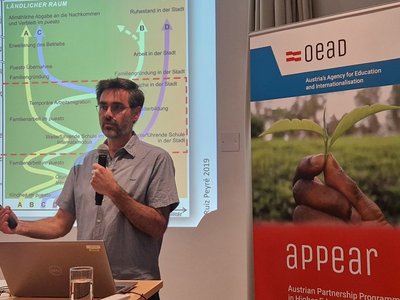
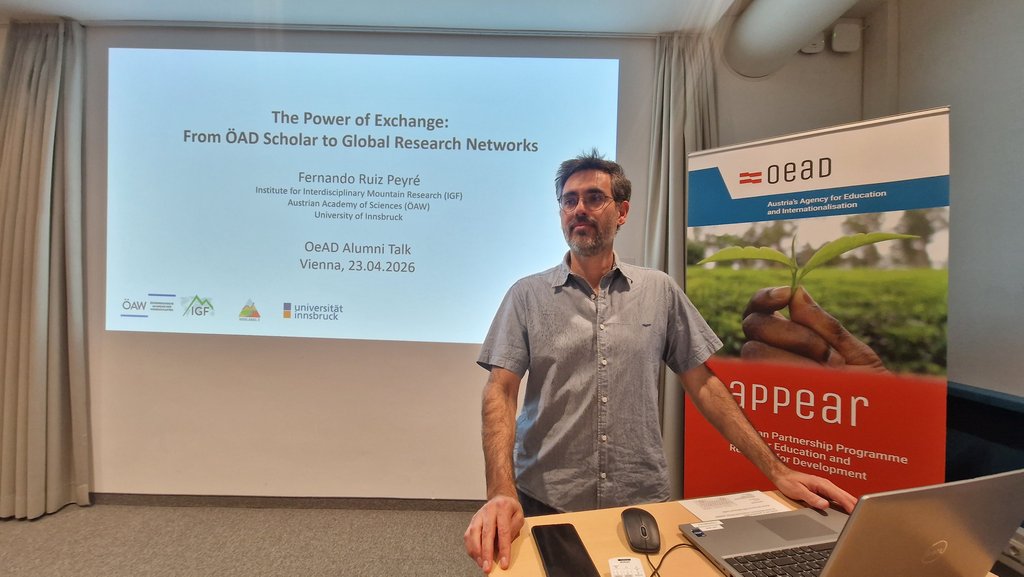
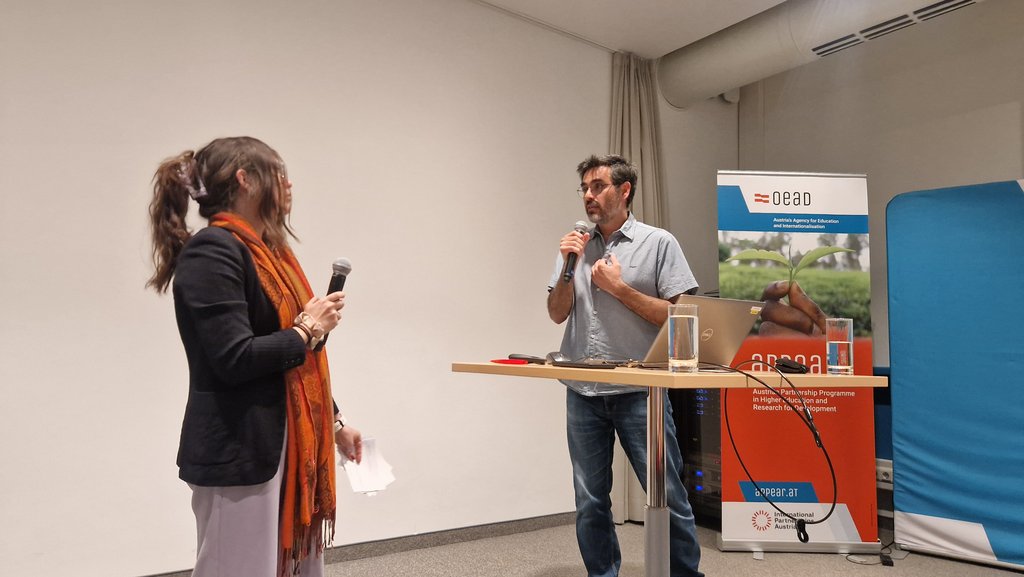
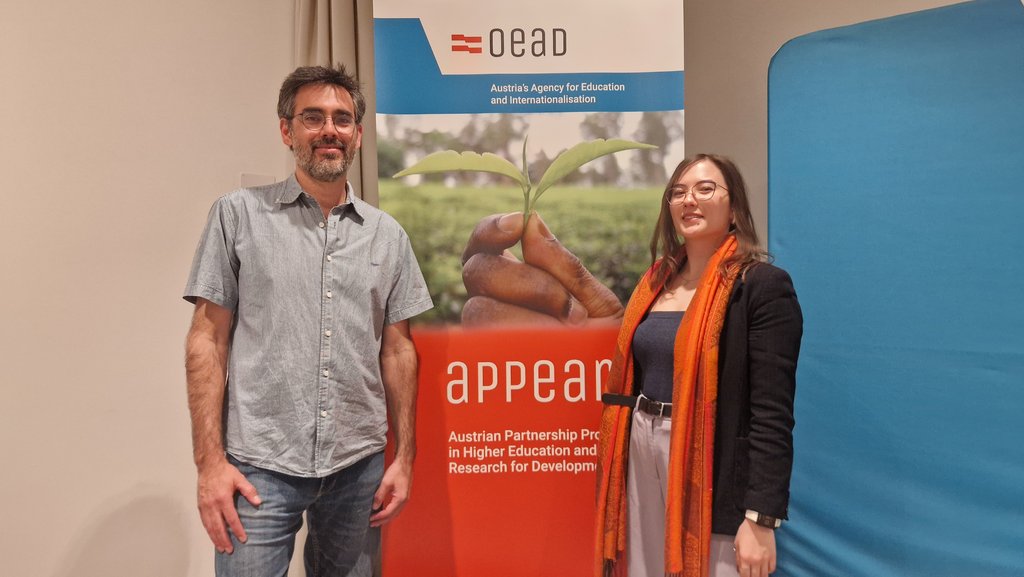
Fernando Ruiz Peyré, began his talk by tracing his path from Mendoza, Argentina, where he studied geography at the Universidad Nacional de Cuyo. There, he built a strong foundation in physical and human geography, specialising in mountain geography, arid regions, and regional planning. His early research focused on hydrography, natural hazards, and remote sensing, complemented by practical training as a trekking guide.
He was exchange student at the University of Tübingen in Germany, where he further broadened his understanding of geographical research and scientific work. During this time, he expanded his focus towards north-south-relations, socio-environmental dynamics and began engaging more closely with research on development and regional inequalities. Alongside his academic work, he co-founded the association Desierto Florido e.V., an initiative aimed at raising awareness of socio-ecological issues between Europe and Latin America and supporting social projects in Argentina, Chile and Peru. Through this experience, he combined academic perspectives with practical engagement, strengthening his skills in project development and international collaboration.
Then supported by the North-South-Dialogue Scholarship, financed by the Austrian Development Cooperation (2007–2010) he pursued his doctorate while at the University Innsbruck. His doctoral research addressed youth migration in Argentina, focusing on alternative development strategies for peripheral rural areas. The project explored how to improve living conditions and reduce rural outmigration in Malargüe by supporting rural youth. Drawing on semi-structured expert interviews, group workshops in schools, surveys, and in-depth narrative interviews, his work revealed that young people’s life trajectories are shaped by a combination of personal biographies, opportunities, and constraints. Education, employment, and family formation play a crucial role in shaping mobility decisions, while migration itself often follows circular rather than one-directional patterns.
A central part of his talk focused on the EU-funded project HIGHLANDS.3 “Collective Approach of Research and Innovation for Sustainable Development in Highland”, which he coordinated over five years. Bringing together 45 institutions across 25 countries, the project connected highland regions worldwide—from the Alps and Andes to regions in Africa and Southeast Asia. It addressed pressing challenges such as social inclusion, land-use change, nature-based livelihoods, environmental governance, and climate resilience. By linking scientific research with practical applications, the initiative translated knowledge into actionable solutions for local and regional stakeholders. Through international research exchanges and collaborative innovation sessions, the project fostered both North–South and South–South partnerships, ultimately contributing to a lasting global network across regions and knowledge systems.
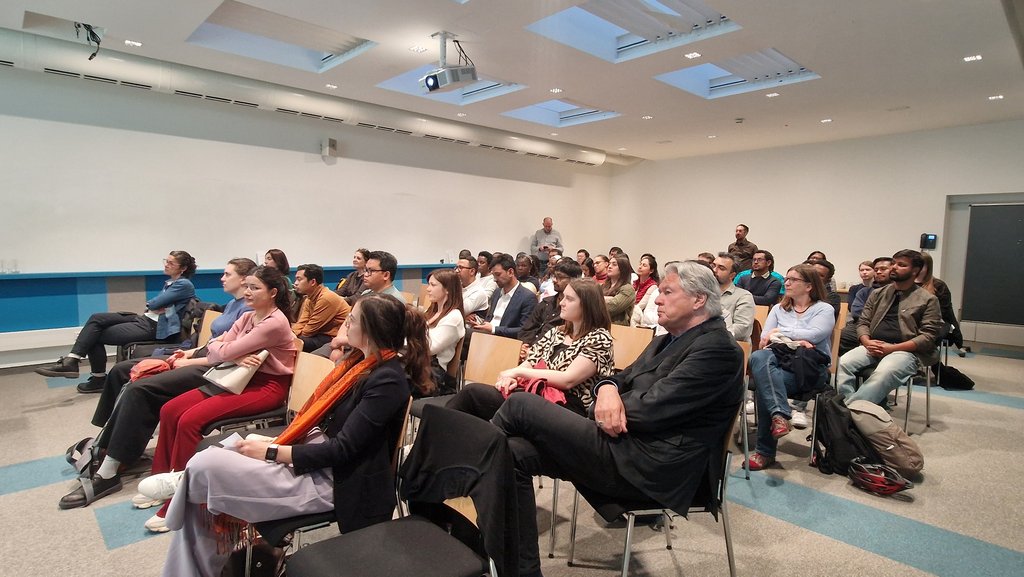
Reflecting on his experience, Fernando highlighted the importance of bridging disciplines, regions, and different forms of knowledge. He emphasised the value of international exchange in training early-career researchers and enabling transdisciplinary collaboration. In the discussion that followed, questions were raised about how young external researchers can best secure funding, as well as how to communicate scientific findings to broader audiences. Drawing on his own experience, Fernando underscored the importance of clear, accessible communication and engaging diverse stakeholders beyond academia.
He emphasised the importance of building networks early in one’s research career rather than waiting until the completion of a PhD. From the outset, he and his colleagues fostered strong connections not only through their work but also through shared experiences—travelling together, spending weekends outdoors, celebrating birthdays, and cooking and dining as a group. These moments helped develop lasting friendships and a sense of trust that, as he noted, makes collaboration significantly easier and more effective.
When asked about a highlight of his journey, he recalled his first visit to Africa as particularly memorable. In Cape Verde, he explored volcanic landscapes, including vineyards cultivated within a caldera, and learned about the region’s unique history—especially in the years following a volcanic eruption a decade earlier. This experience left a lasting impression and underscored the richness of engaging with diverse environments and cultures.
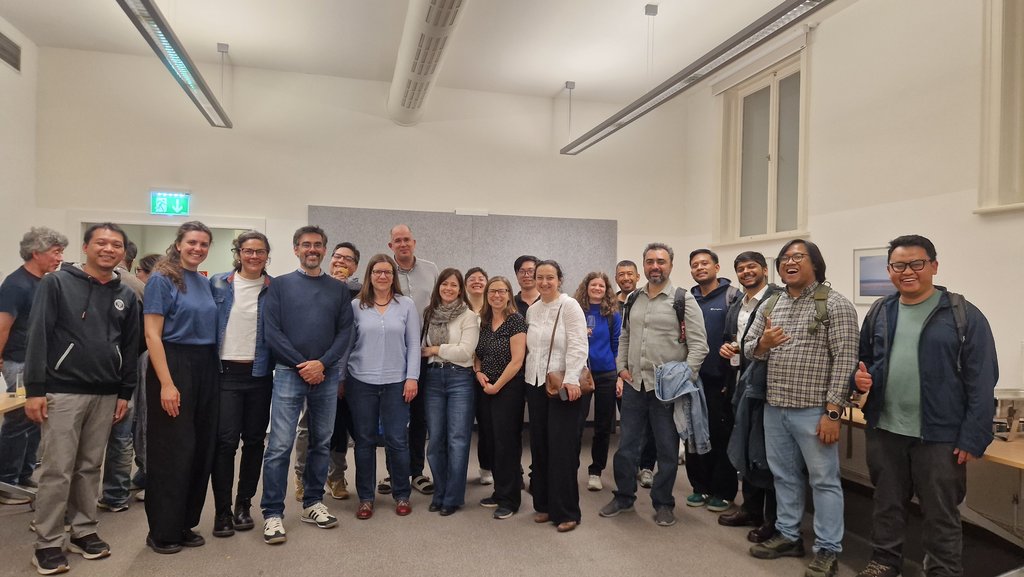
A particularly memorable moment was the reflection on a statement from a researcher he had met early in his career in Argentina: that exchange requires courage and is essential for growth. This sentiment resonated strongly with the audience and served as a reminder of the importance of programmes that support international mobility. Appreciation was expressed to the OeAD for fostering such opportunities and to the researchers who take the step to go abroad.
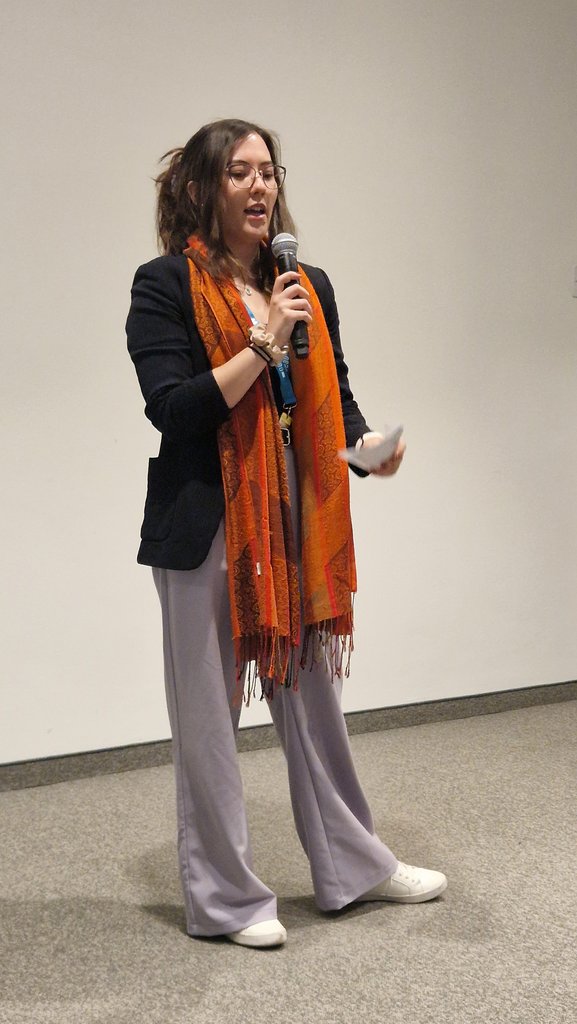
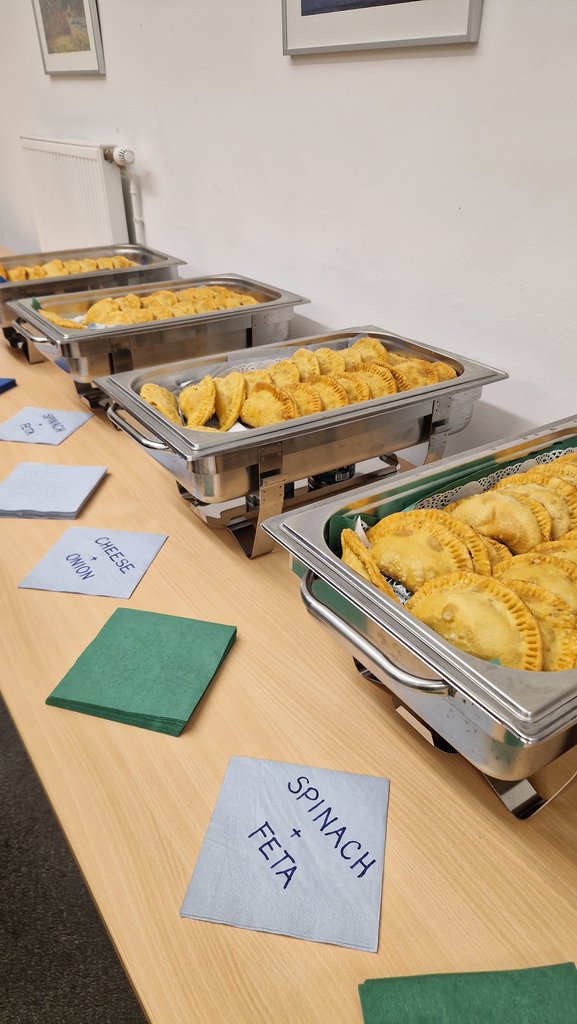
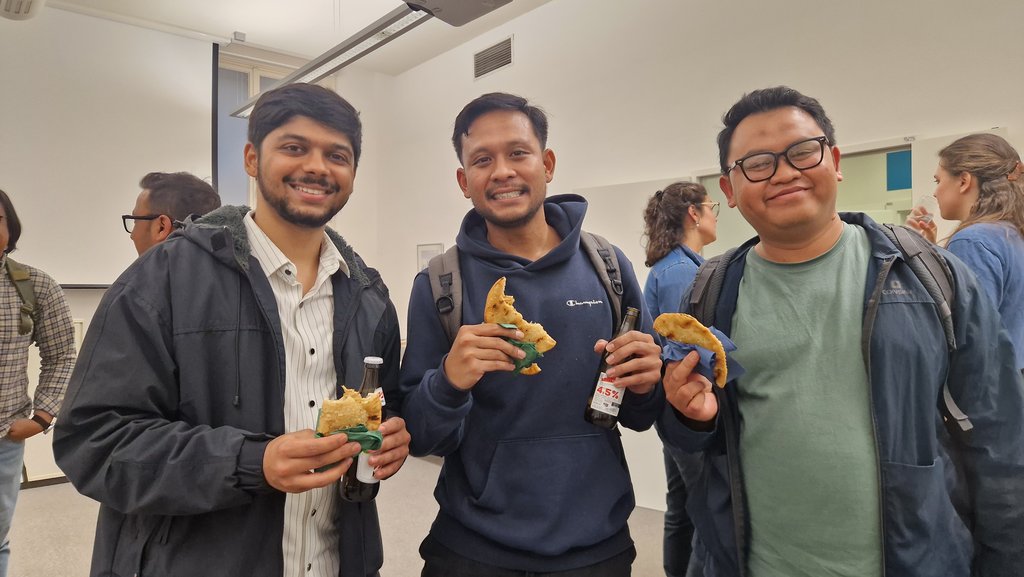
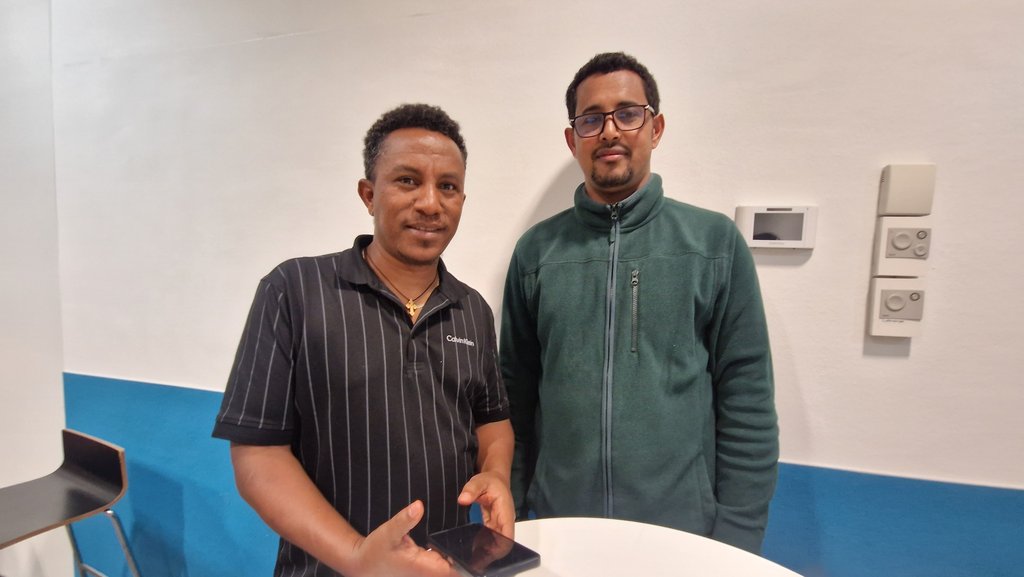
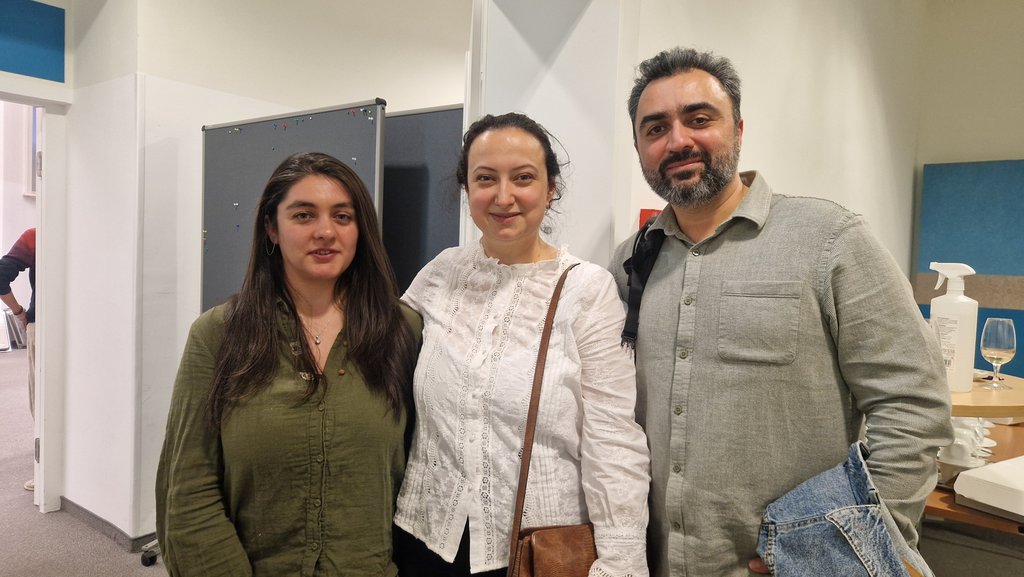
The Alumni Talk was moderated by Momo Kunishio (OeAD). It concluded in a relaxed and convivial atmosphere, where participants continued their conversations over Argentinian empanadas and drinks. It provided a welcoming space to connect, exchange ideas, and strengthen the sense of community that lies at the heart of the alumni network.